Socio-economic and impact research
Baseline studies, socio-cultural analysis, community indicators, impact pathways, qualitative and mixed-method research, and evidence for policy or assessment processes.
Camilo Gomez · Applied anthropologist & consultant
I work with communities and institutions to understand how environmental decisions affect people and places, connecting field research, participatory methods and spatial evidence.
View consulting CV · PDF
Consulting practice
I bring social research, participatory practice, environmental analysis, and spatial tools into the same conversation. Each engagement is designed around the decision at hand and the relationships that decision will affect.
Baseline studies, socio-cultural analysis, community indicators, impact pathways, qualitative and mixed-method research, and evidence for policy or assessment processes.
Co-definition workshops, interviews, collaborative planning, knowledge-system dialogue, and validation processes built around careful listening and traceable decisions.
Research and strategic advice connecting ecological evidence with territorial governance, climate adaptation, conservation priorities, and community concerns.
Spatial analysis, multicriteria models, interactive maps, dashboards, and accessible visual tools that clarify patterns, choices, and uncertainty.
Selected work
These projects show how I move between field research, institutional questions, community knowledge, and technical systems while keeping their relationships visible.
Research in focus · Eeyou Istchee–James Bay
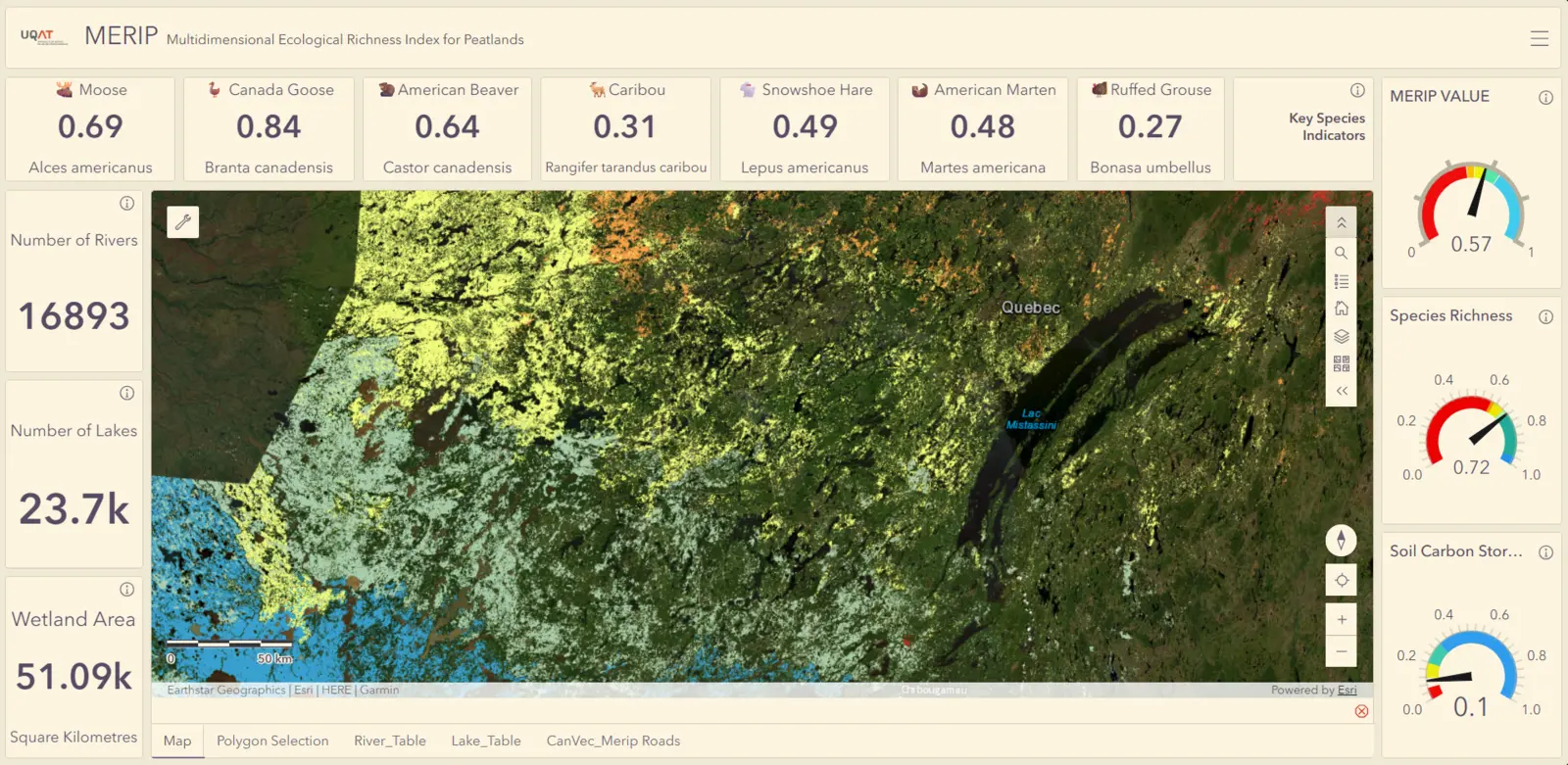
MERIP · Multidimensional Ecological Richness Index for Peatlands
Biodiversity, water, carbon and culturally significant species offer different ways of understanding peatlands. MERIP brings these dimensions into a shared analytical framework to support discussions about their future.
In my postdoctoral research at UQAT, I developed MERIP as a participatory and spatial framework, bringing ecological indicators and community-defined priorities into an environment for exploring present-day conditions and a 2050 climate scenario.
Wetland mapping, species-suitability modelling and spatial analysis bring together biodiversity, hydrology, soil carbon and culturally significant species. The framework connects technical analysis with participatory research and makes the different dimensions available for exploration.
The interactive dashboard lets visitors explore mapped wetlands and their indicators, and examine present-day and 2050 patterns. It offers evidence for discussion; decisions also require attention to local knowledge, rights and the assumptions behind the models.
 Open the MERIP project
Indigenous resilience · Participatory planning
Socio-economic baseline research and participatory planning with Indigenous organizations, communities, and institutional partners in Leticia and Puerto Nariño, developed in collaboration with FUCAI and the World Food Programme.
Anthropology · Extraction · Territorial governance
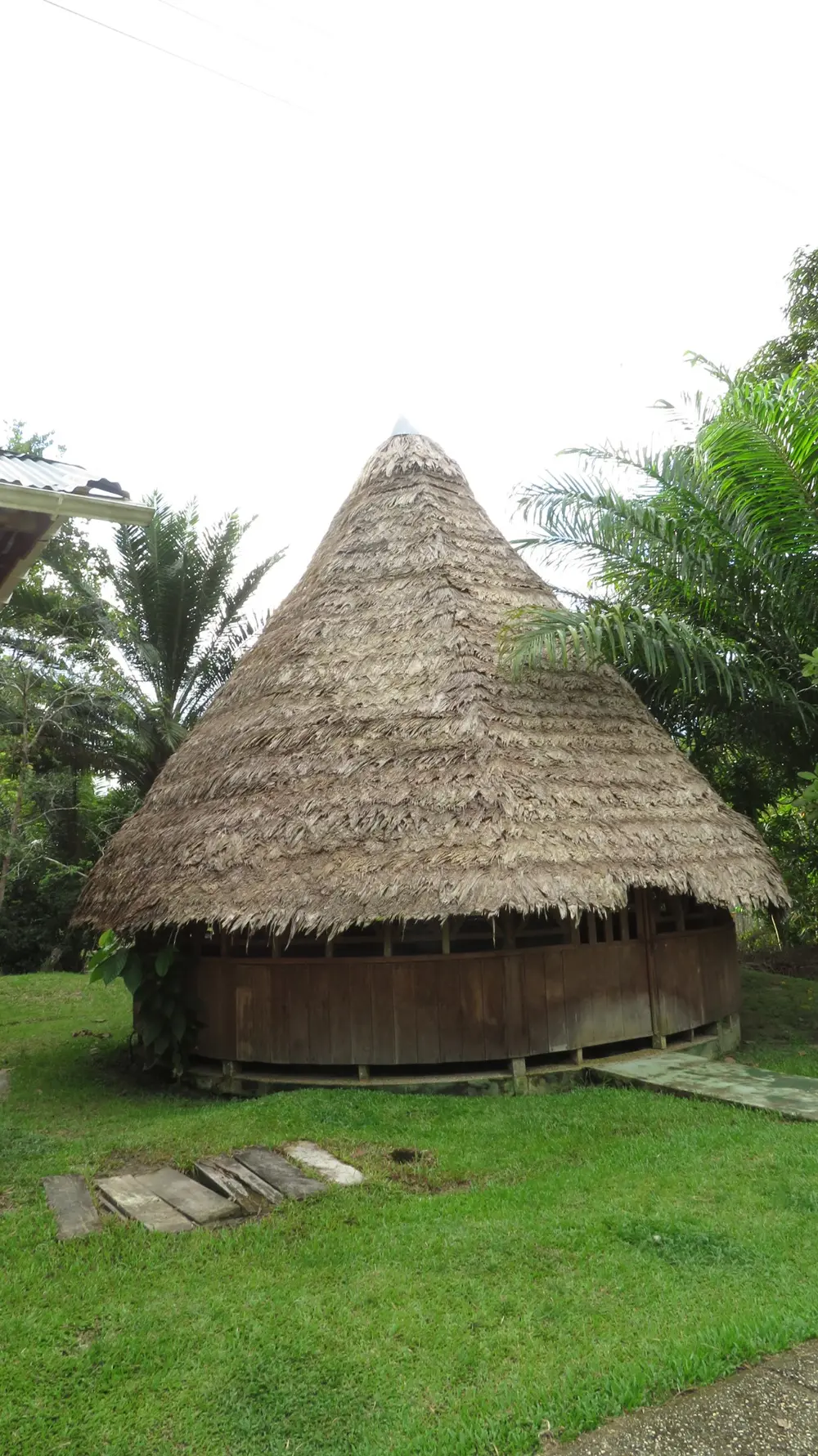
Long-term doctoral research in the Colombian Amazon examining how resource extraction, sacred value, political authority, and relations among people, territory, and other-than-human life shape environmental conflict.
Public policy · Indigenous statistics
Applied research with Colombia’s national statistical system on Indigenous multidimensional poverty and population processes. The work preserves a useful domain of national comparability while examining whether variables, thresholds, and attribution rules identify equivalent deprivations when ways of learning, caring, working, dwelling, accessing health care, and relating to water and territory differ.
Substantive equivalence · Attribution
Comparison with the rest of the country remains necessary for making inequalities visible. The prior question is whether each indicator observes a comparable substantive achievement while recognizing the conditions that actually constrain life within distinct social, cultural, and territorial contexts.
The proposal does not replace the national core with a separate set of cultural indicators. It retains what supports valid comparison, tests categories whose meaning may change, and links—without automatically reducing them to the household—deprivations that belong to relations, collectivities, territories, or institutions.
Selected publication · Community-led research
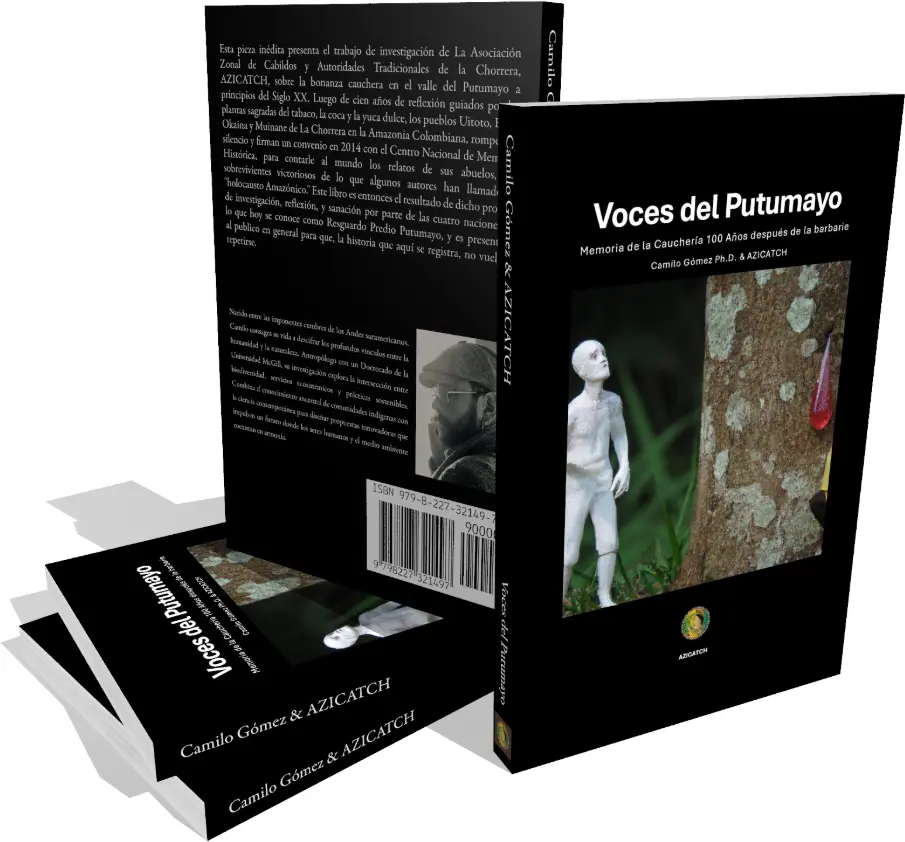
Memory of the Rubber Boom, One Hundred Years After the Violence
Developed in collaboration with the Zonal Association of Indigenous Councils and Traditional Authorities of La Chorrera—AZICATCH—this book emerges from a community-led process of research, reflection, and healing concerning the rubber boom in the Putumayo region. It brings forward the memories of Uitoto, Bora, Okaina, and Muinane elders and their peoples’ return to territory and collective life, so that the violence recorded in these histories may never be repeated.
The 2025 print edition is the revised publication. An earlier working version remains available through Manguaré.red.
Knowledge mobilization · Digital public scholarship
Founded in 2020, Manguaré connects cultural memory, territorial research, Indigenous perspectives, multimedia communication, and public scholarship. The platform and its Spanish-language podcast are currently in a phase of maintenance and consolidation.
A return to territory
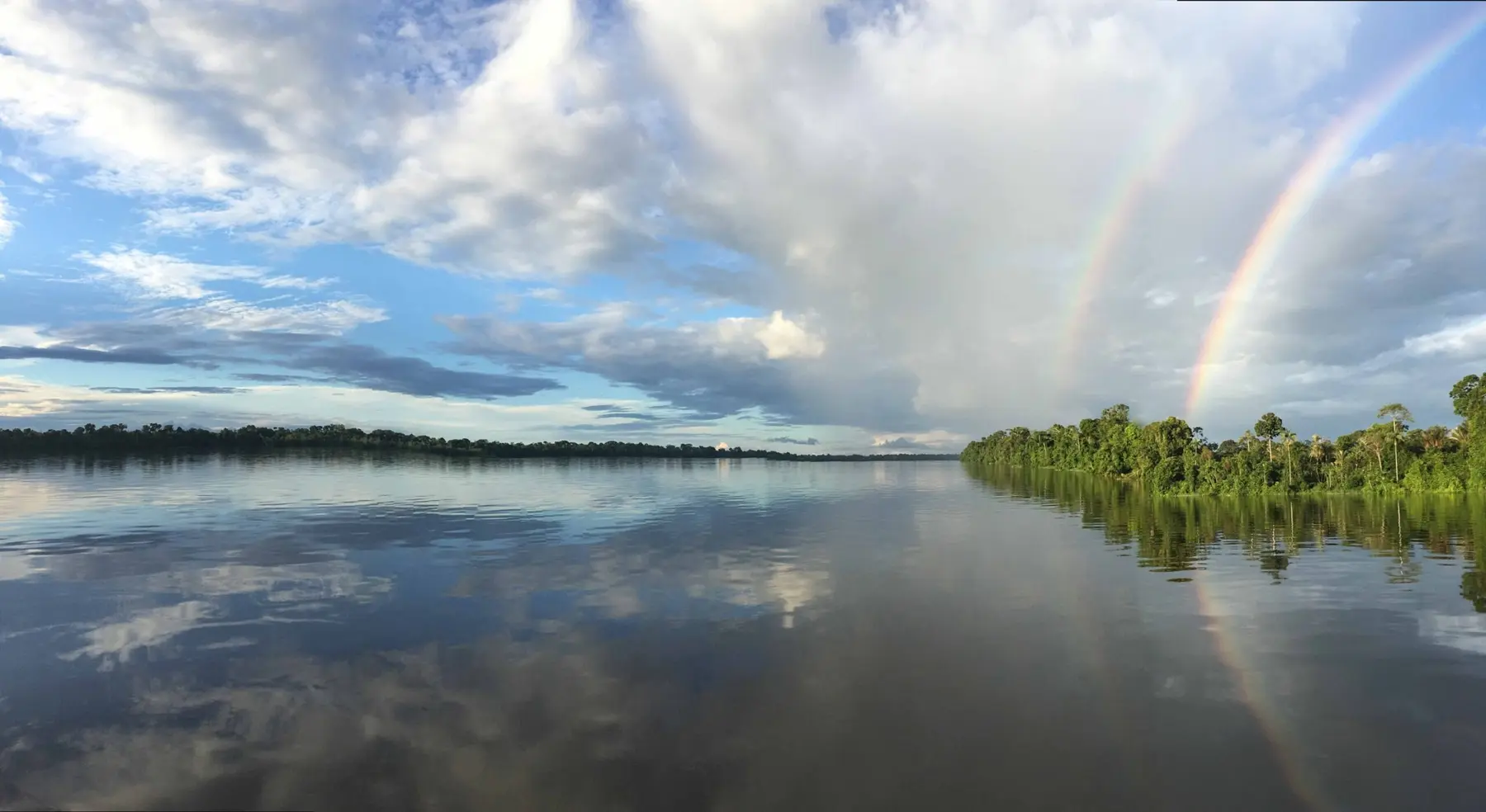
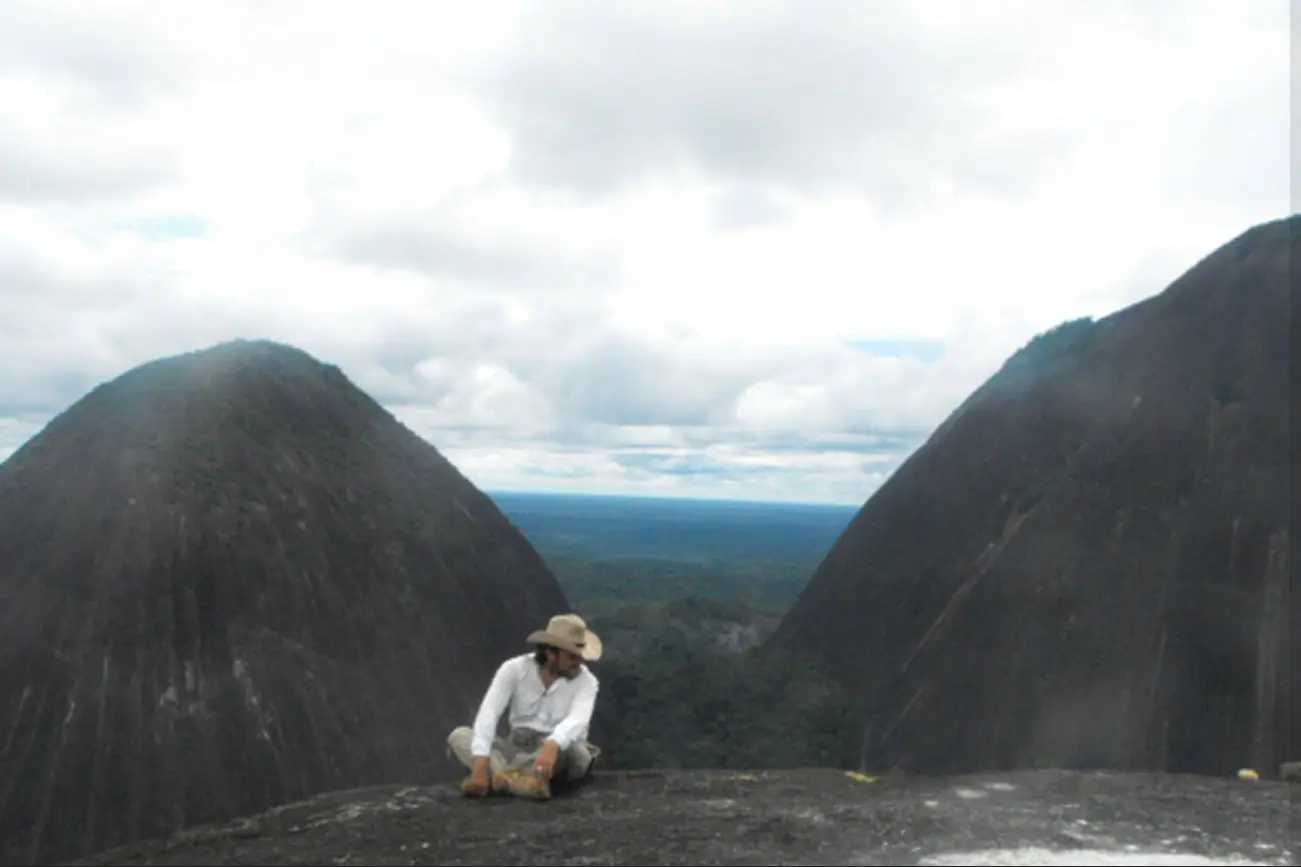
Territory is not the backdrop to a decision. It is part of what that decision must learn to understand.
Field-based inquiry · Relational environmental research
How I work
Good consulting does more than collect information. It asks how evidence was produced, whose knowledge enters the room, what remains uncertain, and how a recommendation will travel back into people’s lives and territories.
Begin with the people, histories, responsibilities, and ecological relationships that give the question its real shape.
Bring qualitative, quantitative, spatial, institutional, and community-held knowledge into a transparent analytical structure.
Clarify trade-offs, assumptions, uncertainties, and the practical consequences of different courses of action.
Translate findings into maps, reports, workshops, recommendations, or tools that partners can question, use, and carry forward.
About
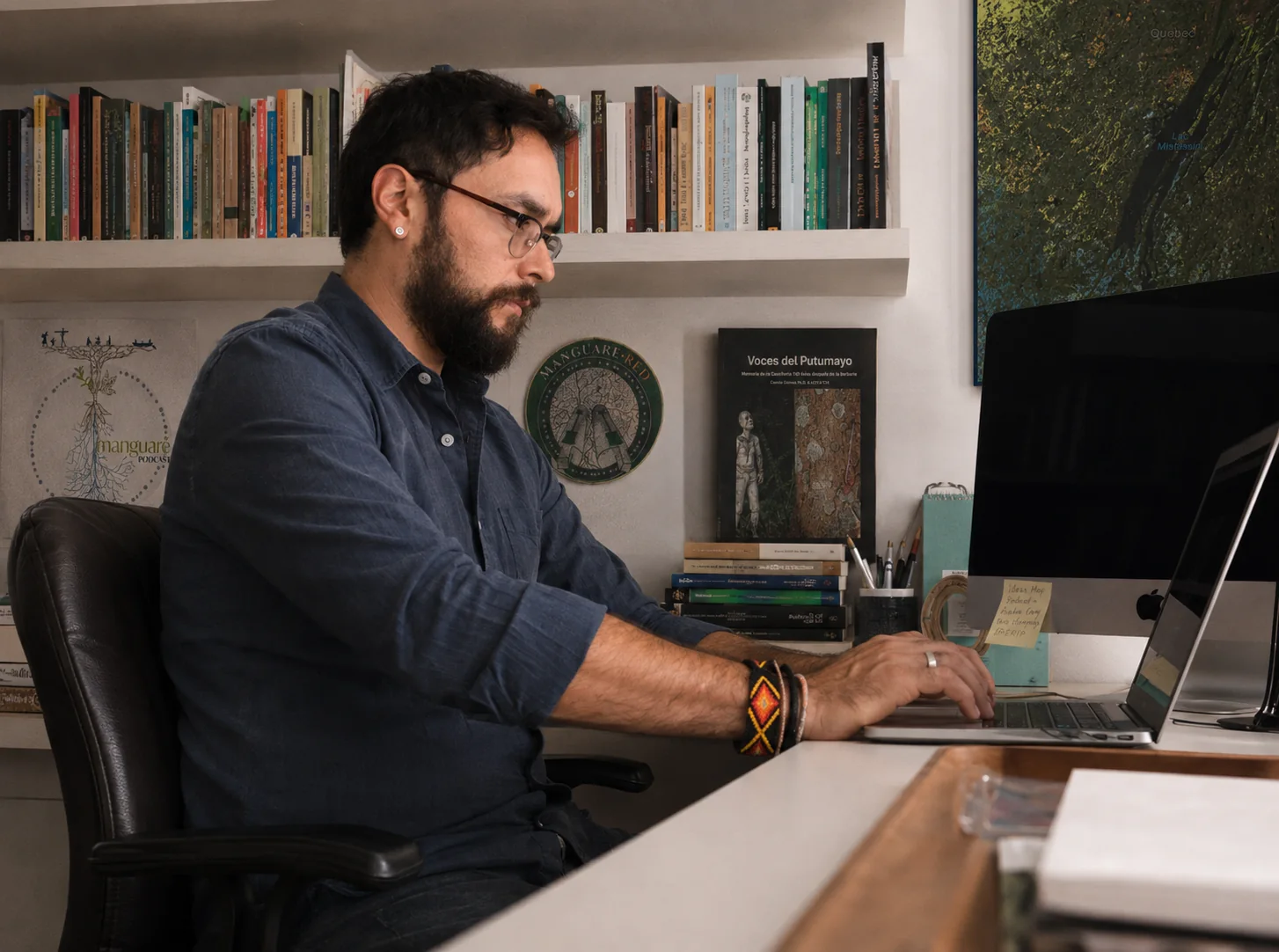
I am a Colombian and Canadian Ph.D. anthropologist and applied social scientist based in Montreal. For more than fifteen years, I have worked across Canada, Colombia, and Panama with Indigenous communities, public institutions, NGOs, academic partners, and international organizations.
My practice has developed in the space where environmental decisions encounter territory, memory, rights, and community life. I combine field-based inquiry with policy analysis, participatory methods, biodiversity research, and GIS to help different forms of evidence speak to one another without pretending they are the same.
I hold a Ph.D. in Anthropology from McGill University and completed postdoctoral research at UQAT’s Institut de recherche sur les forêts, where I developed MERIP. I continue to collaborate on MERIP and support work connected to the Institute. I am also the founder and director of Manguaré.red, an Amazonian knowledge initiative currently in a phase of maintenance and consolidation.
Start a conversation
If you are planning a project, building a partnership, assessing impacts, or looking for a senior applied researcher, tell me what is at stake. We can begin by clarifying the question and determining whether my experience fits the work.
Consulting · Employment · Research partnerships